Winter Tile Match Challenge
Review
Winter Tile Match Challenge offers a refreshing take on tile-matching puzzles by emphasizing strategy over speed. The layered board design adds depth, as players must uncover hidden tiles while managing a limited stack. The absence of a timer allows for deliberate play, making it ideal for unwinding. Visuals are clean and festive without being overwhelming. While later puzzles can be challenging, the difficulty curve is fair. This is a solid choice for anyone seeking a low-pressure puzzle experience that still engages the mind.
About This Game
Core Sorting Mechanic
At the heart of this puzzle lies a straightforward yet engaging system. Players select tiles from a central board and place them into a personal stack. The stack can hold up to nine tiles at once. The objective is to collect three matching tiles within the stack. When three identical tiles come together, they disappear, freeing up space. The challenge emerges from balancing limited stack capacity with careful board scanning. Every tile choice requires consideration, as the wrong pick can fill the stack quickly and block progress.
Layered Board Design
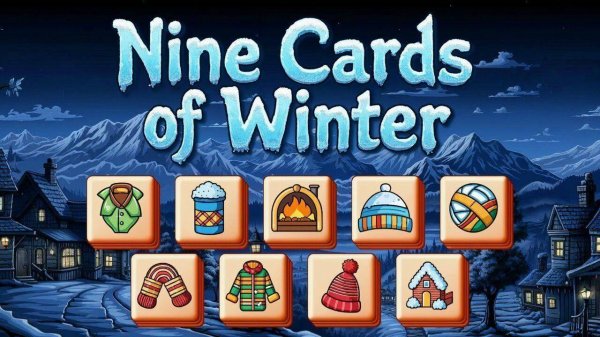
The playing area features a variety of seasonal icons, including snowflakes, ornaments, and gingerbread figures. Some tiles are stacked on top of others. Clearing a top tile reveals the one beneath, adding a strategic layer to the puzzle. Players must decide which tiles to remove first to access hidden matches. This design encourages forward thinking and rewards those who plan several moves ahead. The layout changes with each puzzle, keeping the experience fresh without overwhelming the player.
Visual Calm and Clarity
The graphics use bright, cheerful colors with a winter holiday theme. Icons are distinct and easy to identify, which helps during fast decision-making. The overall presentation is clean and uncluttered, making it suitable for players of all ages. There are no flashing lights or distracting animations, which helps maintain a calm atmosphere. The visual style supports the core gameplay by allowing players to focus on the puzzle without visual noise.
Pacing Without Pressure
Early puzzles introduce the basics with simple tile arrangements. As players advance, the boards become more crowded, and the stack fills more quickly. Later puzzles require greater foresight, as a single wrong move can block progress. There is no timer, so players can take as much time as they need to consider each move. This pacing makes the game accessible to newcomers while still offering a satisfying challenge for experienced puzzle fans. The difficulty curve is gentle, allowing players to build skills gradually.
Strategic Thinking Rewarded
Because the stack has a strict limit, every tile selection matters. Players must think about which tiles appear most frequently on the board and prioritize those. Uncovering hidden tiles early can open up more matching opportunities. The game rewards patience and careful observation rather than speed. This design encourages a thoughtful approach, making each puzzle feel like a small strategic puzzle rather than a race against time. Players who take their time often find the most efficient solutions.







💬 Comments
0 comments