Island Maze 3D
Review
Island Maze 3D succeeds where many puzzle games fail: it makes spatial reasoning genuinely fun. The 3D environments add a fresh twist to classic mechanics, and the cheerful art style keeps frustration at bay. Each level feels like a mini-brainteaser that rewards patience and foresight. The move counter encourages efficient play without pressure. A solid choice for puzzle enthusiasts seeking a relaxing challenge.
About This Game
Core Puzzle Mechanics
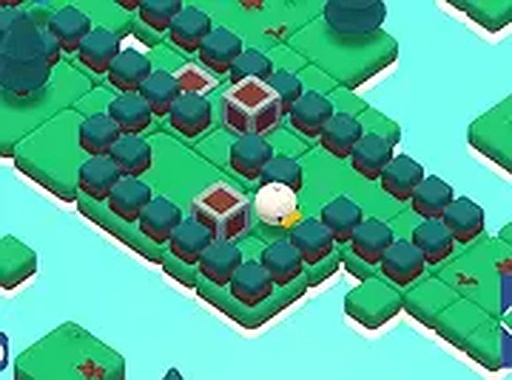
At its heart, Island Maze 3D is about moving boxes to clear a path for your duck character. Each box can be pushed forward, but only if nothing blocks it from behind. This simple rule creates complex situations where one wrong move can trap the duck. The 3D perspective adds a layer of depth, as players must judge distances and angles that flat puzzles lack. Success comes from thinking several steps ahead, anticipating how each push will reshape the environment.
Level Design Philosophy
The islands in Island Maze 3D are not just backdrops—they are active parts of the puzzle. Gaps in the terrain require boxes to be used as bridges, while narrow corridors demand precise positioning. Early levels teach basic moves, while later stages introduce multiple boxes and interconnected paths. The difficulty curve feels natural, with each new concept building on previous lessons. Players never face a sudden spike in complexity, which keeps the experience enjoyable.
Visual Style and Atmosphere
Bright colors and clean geometry define the game's look. The duck character has a friendly appearance, and the island environments are filled with tropical plants and sandy shores. This cheerful aesthetic reduces frustration, making even tough puzzles feel approachable. The 3D graphics are lightweight, ensuring smooth performance on most desktop browsers. Full-screen mode is available for those who want to eliminate distractions.
Controls and Accessibility
Island Maze 3D is designed for keyboard and mouse input on desktop computers. Arrow keys or on-screen buttons let players move the duck in four directions. The controls respond instantly, so the focus stays on solving puzzles rather than fighting the interface. There is no time limit, allowing players to think at their own pace. This makes the game suitable for both quick sessions during a break and longer, more focused play.
Progression and Replay Value
Each completed level unlocks the next, gradually introducing new spatial configurations. The game tracks the number of moves taken, encouraging players to revisit stages and find more efficient solutions. This adds a layer of replayability without forcing it. The puzzles are designed to be solved in multiple ways, so experimenting with different approaches often reveals shortcuts. The sense of accomplishment from finding an optimal path is deeply satisfying.


💬 Comments
0 comments